
You Can Get Your Eight Hours of Sleep. Here’s How!
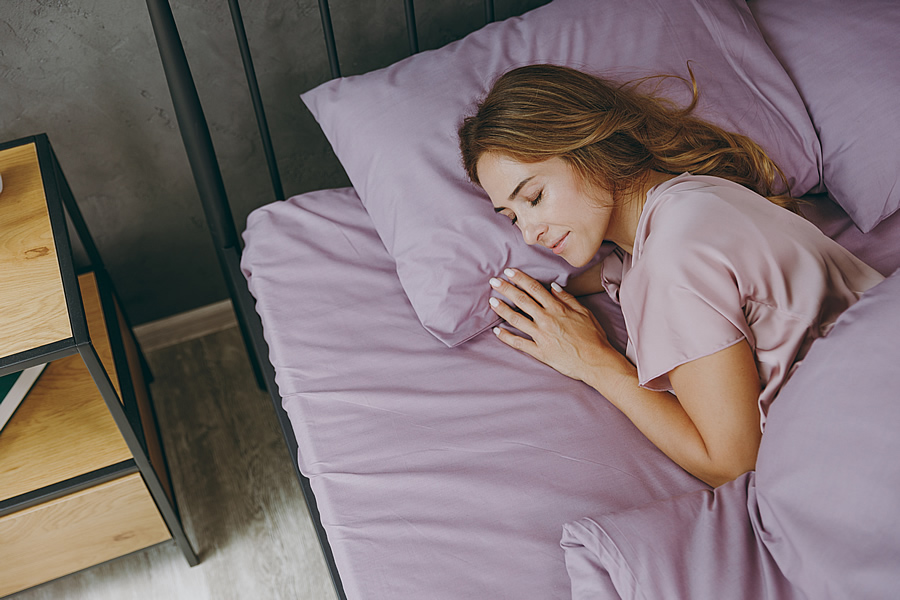
Before the light bulb was invented, Americans averaged nine hours of sleep a night. But since then, our sleep has dropped to just six and three quarters hours.
That much sleep loss is easily costing us 30% of the energy we’d otherwise have!
But when it comes to how much sleep we each need, one size doesn’t fit all. Just as we all have different shoe sizes, we all need different amounts of sleep to be at our best. To find out what you personally need, turn off your alarm clock and cancel any morning obligations you have for a few days. You’ll find out soon enough how much sleep you truly need to feel optimally rested.
My best advice on getting optimal sleep?
1. Prioritize Making Time for Enough Sleep
Allow yourself enough time to get the sleep your body needs. Do this by cutting out time-wasting activities from your daily routine that you don’t really enjoy, and maybe even make you feel bad. Watching depressing news stories or browsing though hate-filled media are good examples of that. You might even consider skipping business meetings when you aren’t really needed (assuming that won’t get you fired, divorced or homeless 🙂
2. Use Nutritional Supplements Sleep Aids
If you have trouble falling or staying asleep, these supplements (taken individually or together) can leave most people sleeping like kittens:
- Melatonin EP120™ 10 mg. Using a sustained-release melatonin, such as this one, is, can help you not only fall asleep, but stay asleep.
- Fatigued to Fantastic!™ Revitalizing Sleep Formula. This is a powerful, yet gentle mix of six sleep promoting herbs and nutrients. They include Valerian, passionflower, lemon balm, hops, 5-HTP, and theanine.
- Terrific Zzzz™, a mix of four sleep-supporting essential oils.
- Prescription sleep aids.
For severe and resistant sleep problems associated with fatigue, brain fog, and widespread pain, consider the possibility you may have fibromyalgia.
In these conditions, the sleep control center (called the Hypothalamus) malfunctions. So, people need a mixture of natural and prescription sleep support. People do best with a tiny dose of several of these medications combined, along with the natural options. There are over a dozen medications that can be helpful here. I will often begin with:
- Ambien (zolpidem 5 to 10 milligrams nightly) to help fall asleep. Crushing the pill between your front teeth and letting it absorb under your tongue makes it work more quickly and effectively. Sometimes, taking 2/3 of the dose at bedtime and the other third of the dose if one wakes wide awake in the middle of the night works well. Caution: The medicine needs to be tapered off slowly as otherwise rebound insomnia is common. Sleep walking or driving can also be seen.
These next medications can help people STAY asleep:
- Flexeril (Cyclobenzaprine 5 mg tabs ½-1 at bedtime).
- Neurontin ( Gabapentin 100-600 mg at bedtime). Helps sleep and pain.
- Benadryl (diphenhydramine 12.5-50 mg at bedtime). Available without a prescription.
- Desyrel (Trazodone) 25-50 mg at bedtime.
These are just a few starting options to optimize sleep. Even in severe sleep disorders. Numerous other options can also be helpful.
My book, From Fatigued to Fantastic, is a guide to those with CFS or fibromyalgia on how to recover your energy, become pain-free, and get a full night’s sleep.
You can get your eight hours a night. Which leaves people feeling so much better!
Love & Blessings,
Dr. T